Plenty of older Brookhaven homes sit on short, narrow drives that have carried the same cars for decades. Here the crew removes the failed layer, builds up a thick bed of compacted crushed stone and rolls hot asphalt on top, pitched toward the street so runoff avoids the foundation. Stone and asphalt are priced as separate lines, which shows you exactly where the money goes before you commit to a thing. Tight access is handled with smaller equipment where needed, and neighbors get a heads-up about the work.
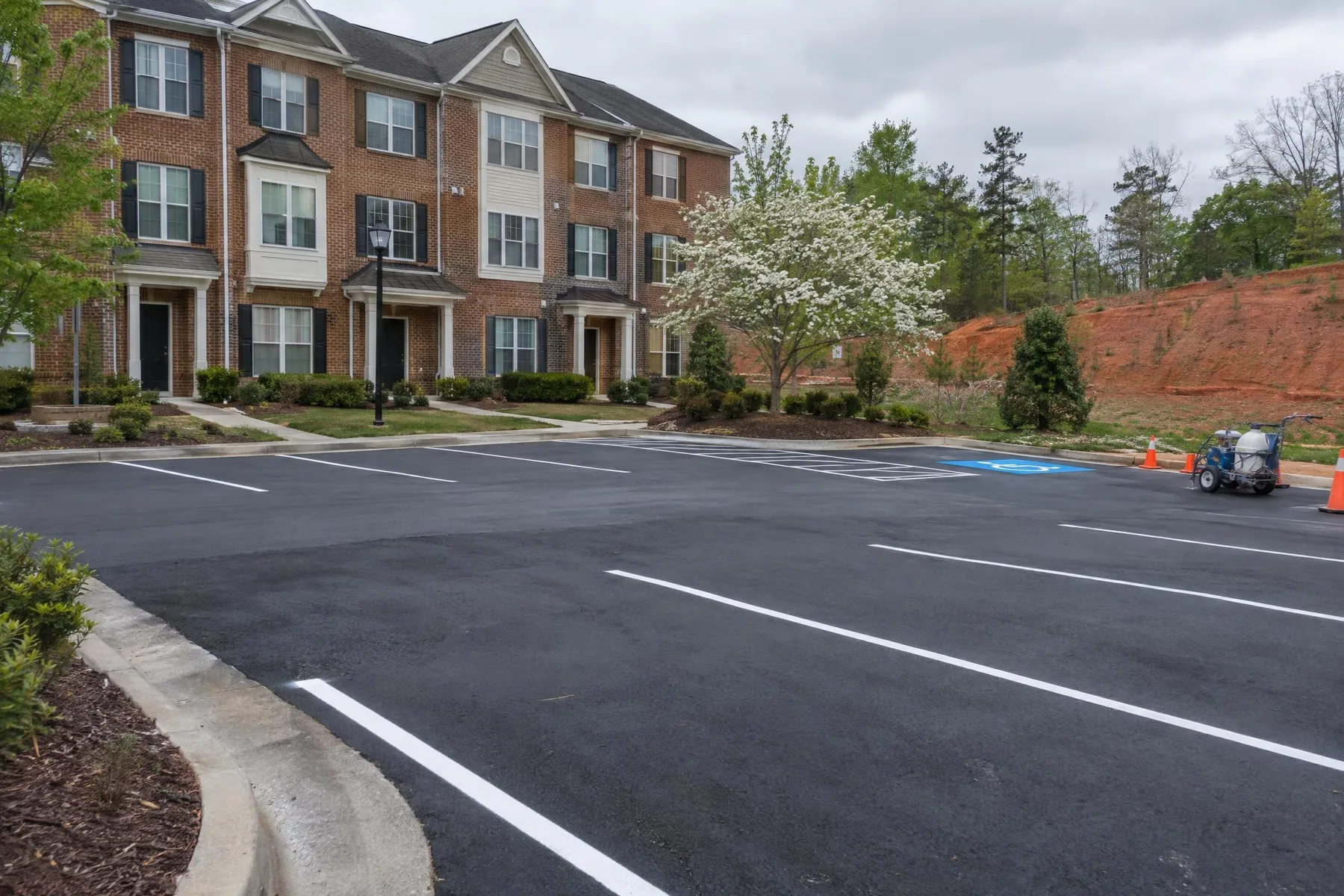
Townhome courts, condo lots, medical suites and small retail strips all depend on pavement that looks cared for. This service covers commercial, HOA and community paving, done in sections so tenants and residents can still reach their doors during the work. Water problems get solved before asphalt goes down. Stall lines, accessible bays and fire lanes come last, and the board or manager receives one plan that shows every phase in order. Residents are told ahead of time which section closes on which day.
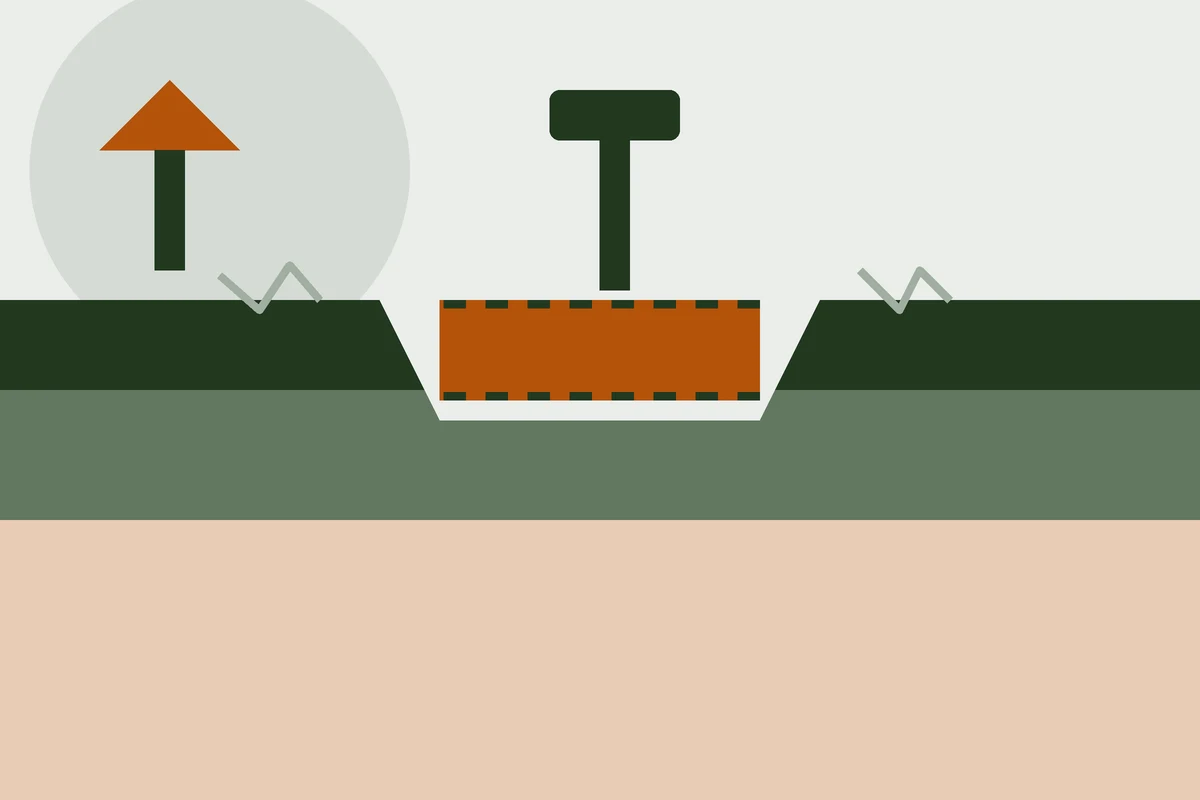
Rain sitting in a hairline crack through one freezing night turns it into a wider gap by sunrise. Repairs cover cracks, potholes, broken edges and sunken utility cuts. The crew saws out the bad pavement, rebuilds the stone beneath and packs fresh mix flush with the surrounding surface. Each damaged spot appears as a separate line in the bid, so you can choose the repairs that matter most and skip the rest. A crew member explains what caused each failure, which helps you avoid repeating it.

Asphalt Resurfacing
Pavement that has gone faded and rough but sits on firm ground might only need a new top layer, and that route costs far less than a full rebuild. After cleaning and repairs, a new surface layer about two inches deep or a little less is rolled across the whole area. Probing the base comes first, because an overlay laid on soft ground fails along with the ground. Where the base is weak, the estimate says so plainly and proposes the deeper fix, so you never pay for a layer that cannot last.

Asphalt Sealcoating
Sunlight, dripping oil and relentless rain strip the binder from asphalt, and a sealcoat restores a protective film. Crews sweep the pavement, fill the cracks, prime any oil spots and spread sealer in even passes. The expense is a small fraction of replacement, and the benefit is largest on pavement that is still in good shape. Larger properties are coated in stages, which leaves part of the parking open while the rest cures. Fall and spring suit the work best, since sealer needs dry pavement and mild air to bond. Edges are trimmed so nothing spills onto lawns or landscaping beds.
Parking Lot Striping
Worn paint makes drivers hesitate, and a lot without markings looks abandoned to anyone walking past. Fresh work includes stall lines, directional arrows, fire lane curbs and accessible bays on new lots and existing ones alike. Chalk marks go down first, and you can compare the layout with your plan while the can is still closed. Busy properties can be restriped in sections to keep customers parking throughout, and the paint goes on thick enough to last through a long run of heavy traffic.